
Office design directly affects employee performance, client perception, and business success. A poorly planned workspace leads to low motivation, health problems, and operational inefficiency.
Smart office design combines functionality, comfort, and visual appeal to create an environment that supports business growth.
This article explains why good office design is essential and how it improves productivity.
Impact of Workspace Layout on Performance
The layout of an office influences how employees interact and work.
- Open spaces encourage collaboration
- Private cabins improve concentration
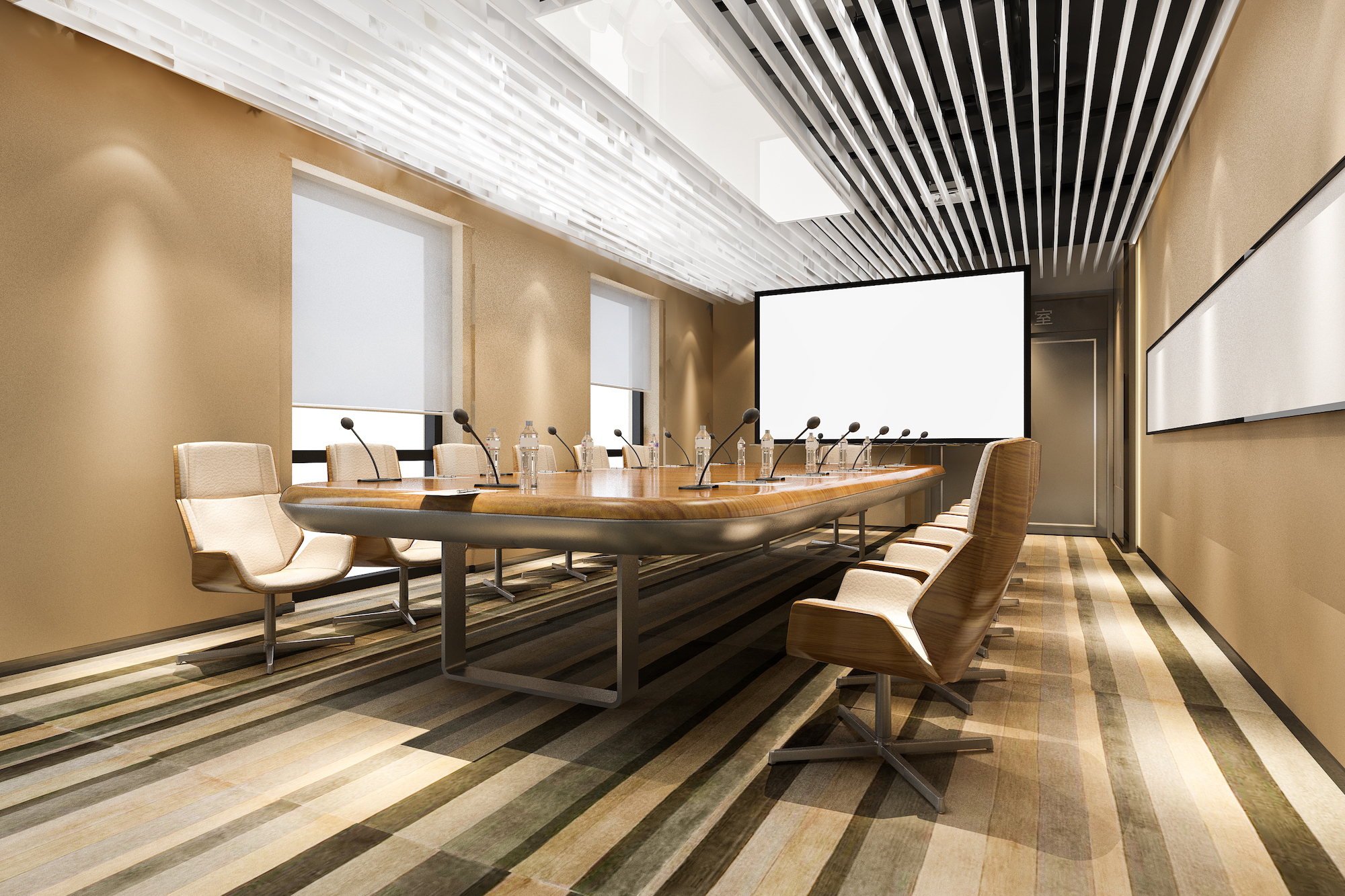
- Meeting rooms support communication
- Reception areas build brand image
Balanced layouts improve workflow and reduce distractions.
Importance of Natural Light and Ventilation
Employees working in poorly lit spaces feel tired and stressed.
Natural light:
- Improves mood
- Reduces eye strain
- Boosts energy levels
- Enhances focus
Proper ventilation maintains air quality and prevents health issues.
Ergonomic Furniture and Comfort
Uncomfortable furniture leads to back pain, fatigue, and low efficiency.
Ergonomic furniture supports:
- Correct posture
- Long working hours
- Better health
- Reduced absenteeism
Comfort directly impacts productivity.
Role of Color and Interior Design
Colors influence emotions and behavior.
- Neutral shades create calmness
- Blue improves focus
- Green reduces stress
- Warm tones encourage creativity
Professional designers select colors based on business nature.
Integration of Vastu and Spatial Balance
When vastu principles are applied practically in office design, they help create balanced energy flow.
Proper placement of workstations, cabins, and entrances enhances confidence, stability, and decision-making.
This creates a positive working atmosphere without affecting modern aesthetics.
Technology and Infrastructure Planning
Smart offices require efficient technical planning.
This includes:
- Structured cabling
- Server room design
- Power backup
- Acoustic treatment
- Smart lighting
Well-planned infrastructure prevents operational disruptions.
Benefits of Professional Office Design
Professionally designed offices result in:
- Higher employee satisfaction
- Better brand image
- Increased productivity
- Improved client trust
- Efficient space usage
These benefits directly impact business growth.
Conclusion
Office design is not an expense. It is an investment in people, performance, and brand reputation.
A well-planned workspace motivates employees, attracts clients, and supports long-term success.
Working with experienced architects ensures that your office reflects professionalism, efficiency, and balance.