
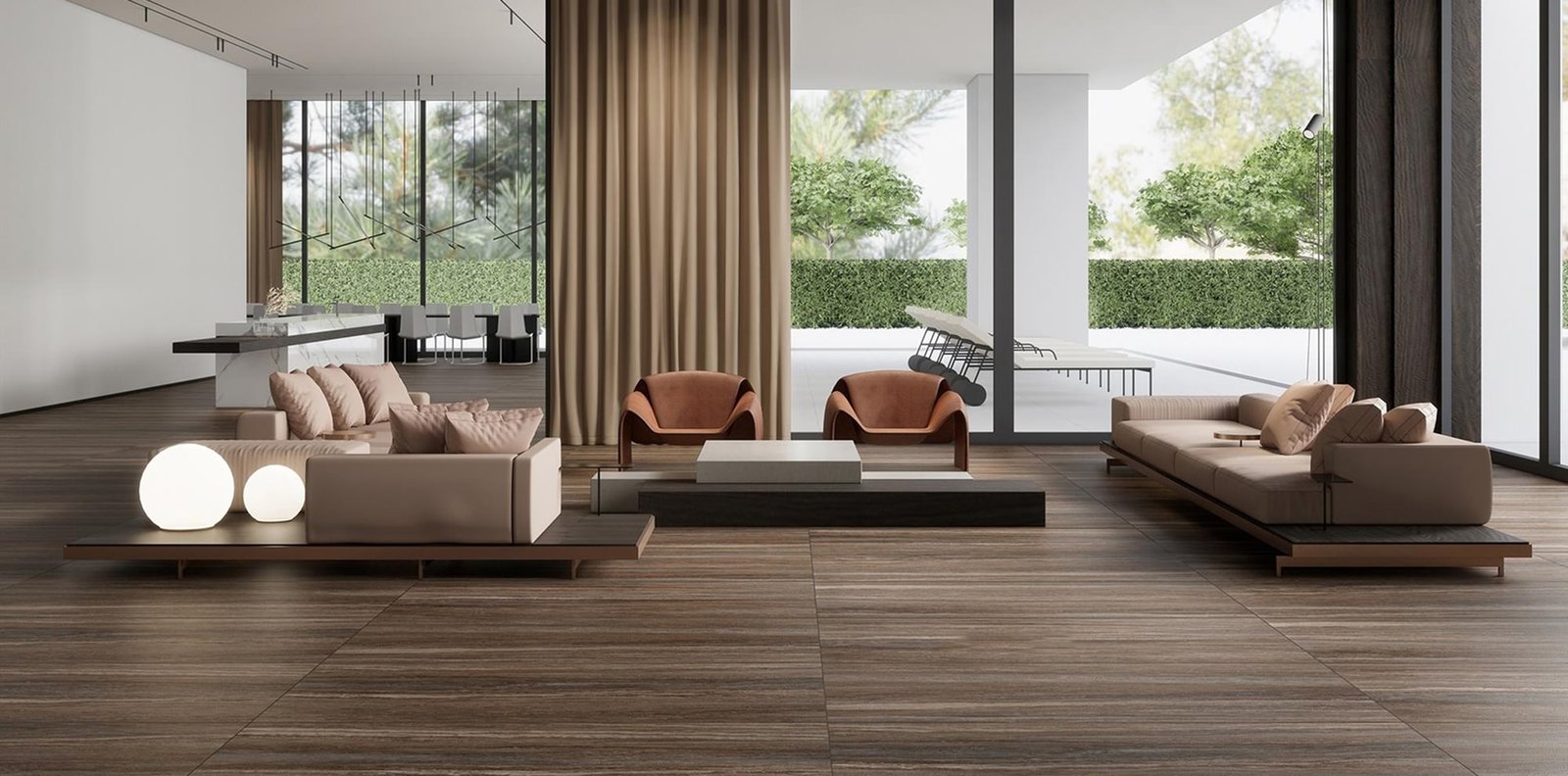
In modern construction, homeowners and developers are no longer focused only on appearance. Today, people want spaces that are beautiful, functional, healthy, and emotionally comfortable. This is where the integration of architecture and vastu plays a powerful role.
When professional architectural planning is combined with intelligent vastu principles, the result is a space that supports productivity, peace, and long-term comfort. This approach focuses on scientific design, natural elements, and human well-being.
In this article, we explore how architecture and vastu together create better living and working environments.
Understanding the Relationship Between Architecture and Vastu
Architecture focuses on structure, aesthetics, materials, safety, and functionality. It ensures that a building is strong, efficient, and visually appealing.
Vastu, when applied correctly, focuses on spatial balance, direction, airflow, sunlight, and movement within a space. It is not about superstition but about aligning design with natural forces.
When both are used together, they create:
- Better ventilation
- Improved natural lighting
- Balanced room placement
- Comfortable circulation
- Positive spatial energy
This combination enhances daily life without compromising modern design.
Benefits of Integrating Vastu in Architectural Design
Improved Natural Light and Ventilation
Vastu-based planning encourages proper orientation of rooms and openings. This leads to better daylight and fresh air, reducing dependence on artificial lighting and cooling systems.
Better Space Utilization
Smart vastu integration helps in placing functional areas logically. Kitchens, bedrooms, workspaces, and living rooms are positioned for maximum usability and comfort.
Enhanced Mental and Physical Well-Being
Well-planned spaces reduce stress and promote relaxation. Balanced layouts help occupants feel calm and focused in their surroundings.
Long-Term Sustainability
Designs aligned with natural elements consume less energy and remain comfortable throughout the year, making them more sustainable.
How Professional Architects Apply Vastu Correctly
Experienced architects do not follow rigid rules blindly. Instead, they study:
- Plot orientation
- Site surroundings
- Climate conditions
- Client lifestyle
- Local regulations
Then they apply vastu principles in a flexible and practical manner. This ensures that the design remains modern, legal, and aesthetically pleasing.
The goal is to improve functionality and harmony without compromising creativity.
Common Myths About Vastu in Architecture
Many people believe that vastu restricts design freedom. This is not true when handled by professionals.
Another misconception is that vastu requires major demolition. In reality, minor layout adjustments often solve most issues.
Some also think vastu is only for homes. In fact, offices, shops, factories, and institutions benefit equally from balanced planning.
Why Choose an Architect with Vastu Knowledge
An architect who understands vastu brings an added advantage to your project. Such professionals can:
- Optimize layouts from the beginning
- Avoid costly corrections later
- Enhance comfort and productivity
- Deliver balanced, modern designs
This integrated approach saves time, money, and effort.
Conclusion
Architecture and vastu are not opposites. When combined intelligently, they complement each other and create spaces that are efficient, comfortable, and emotionally supportive.
If you want a home or workplace that looks good and feels right, choosing a professional who understands both disciplines is the smartest decision.